Eucharistic Adoration
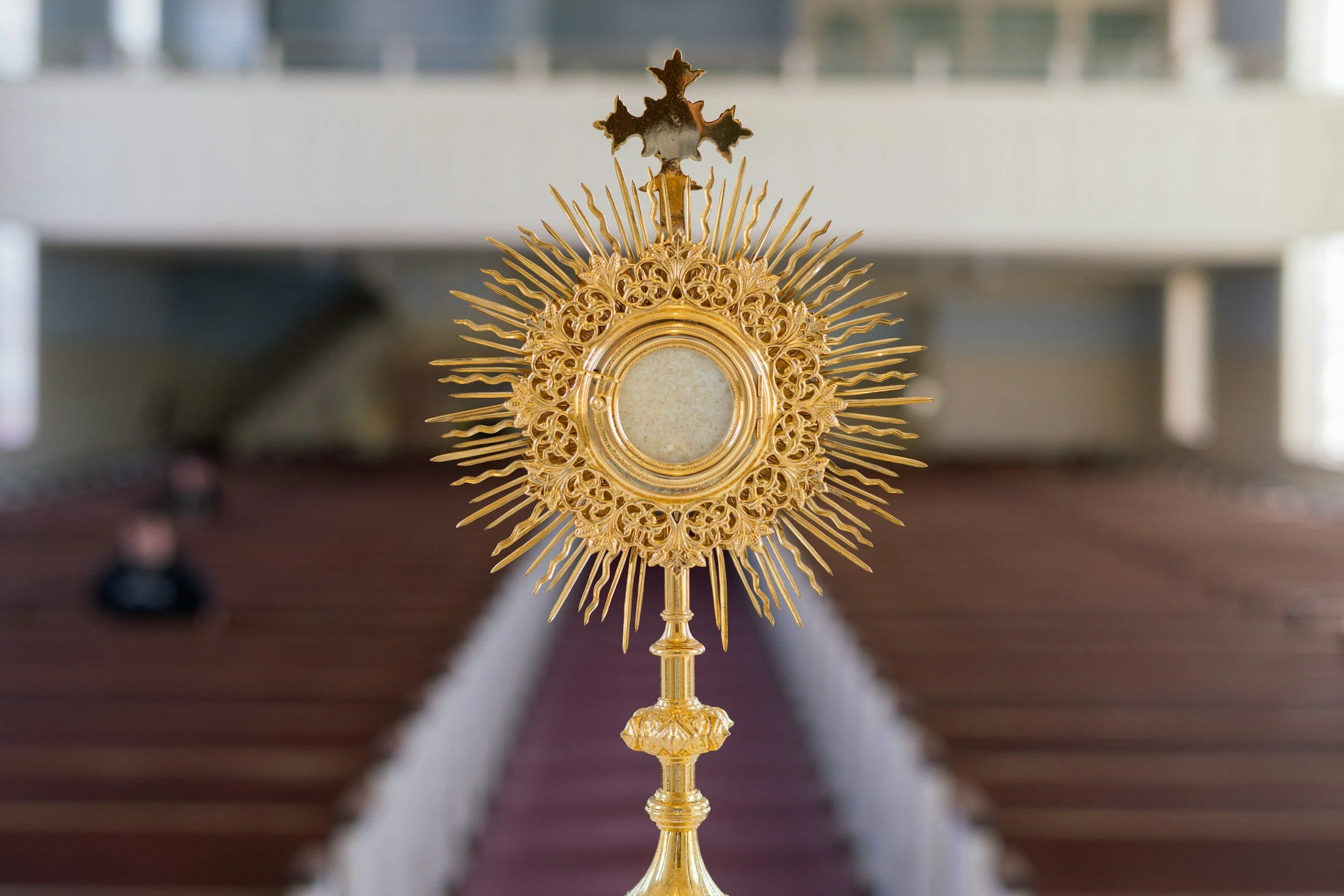
Eucharistic Adoration, also known as Exposition of the Blessed Sacrament, is a time of prayer before Christ truly present in the Eucharist.
What Adoration Is
At its heart, Eucharistic Adoration is an encounter between God and humanity: we come before the Lord in faith, and He draws us into His presence.
As Catholics, we believe that Christ is truly and substantially present in the Eucharist. For this reason, the Blessed Sacrament is adored with the worship and devotion offered to Christ Himself.
How Exposition Takes Place
At the start of exposition, a priest, deacon, or Eucharistic Minister takes the sacred host from the tabernacle and places it in the monstrance on the altar. A monstrance is the vessel used to display the consecrated host during adoration or benediction. Its name comes from the Latin monstrare, meaning “to show” or “to expose”; it is also called an ostensorium. When the host is displayed in this way, it is known as solemn exposition.
Why Adoration Matters
In adoration, Jesus invites us into a personal relationship with Him as friends and disciples. He calls us to remain in His love, keep His commandments, and stay united to Him so that our lives may bear fruit and our joy may be complete.
Through this friendship with Jesus, we are strengthened to face life’s challenges, carry our daily cross with renewed purpose, and grow more fully into the new creation He calls us to become.
Praying the Roasary Saturdays 9:00am Chard
Eucharistic Adoration / Divine Mercy Sundays 3pm Chard
(These are lay led. If you would like to join you are welcome to come along but please note sometimes they do not run if holiday is being taken by members).
Chard Prayer Group
Held on the 2nd and 4th Mondays of each month at 7pm and will now be meeting at Chris & Penny Medland’s house.
If anyone is interested in attending or would like to know more please speak to Michael Wilson-Smith or email him michael.wilson-smith@cliftondiocese.com .
All welcome
Divine Mercy Chaplet
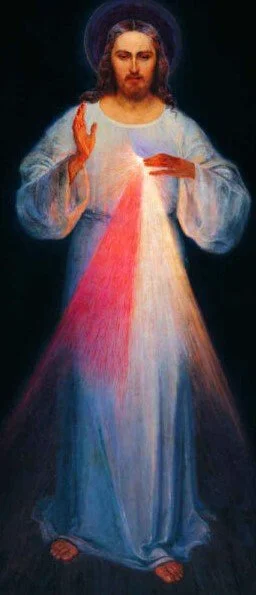
The Divine Mercy Chaplet is a cherished Catholic devotion, often prayed alongside the Rosary. Revealed by Christ to St Faustina, it invites the faithful to ask for God’s mercy for the whole world.
At the heart of the chaplet is the repeated prayer: “For the sake of His sorrowful Passion, have mercy on us and on the whole world.” Through these words, the faithful appeal to Christ’s boundless compassion.
· To seek mercy for all people
· To pray especially for sinners
· To intercede for those most in need of grace
How to Recite the Chaplet https://www.thedivinemercy.org
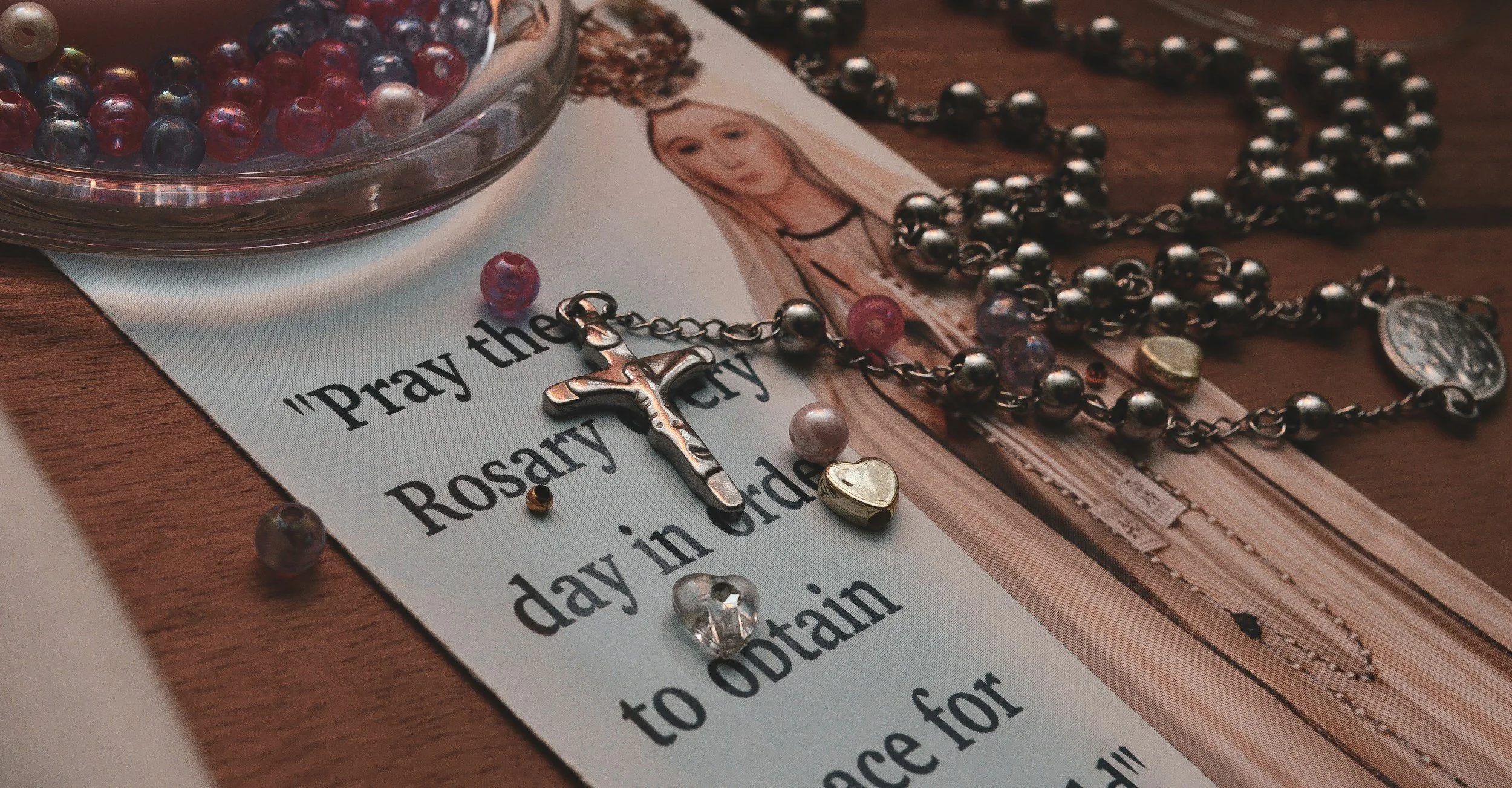
The Chaplet of Divine Mercy is recited using ordinary Rosary beads of five decades. The Chaplet is preceded by two opening prayers from the Diary of Saint Maria Faustina Kowalska and followed by a closing prayer.